 The Business Case for a Station Alerting Upgrade
How fire chiefs build the budget case for an alerting upgrade: ROI, NFPA compliance risk, crew health liability, and GSA and Sourcewell procurement.
Read it ›
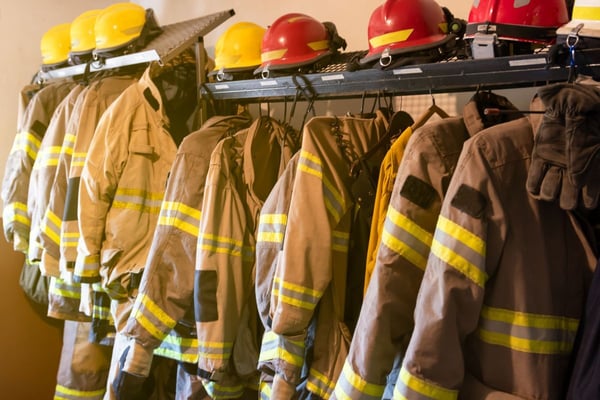 The Science of Safe Alerting: How Alerting System Design Affects Firefighter Health and Performance
The research behind heart-safe fire station alerting: how ramped tones, dorm remotes, and red-spectrum lighting cut cardiac stress without slowing response.
Read it ›
 Planning, Designing, and Procuring a Fire Station Alerting System: A Practical Buyer's Guide
A buyer's guide for fire departments: operational planning, system design for new builds and retrofits, cooperative purchasing, and total cost of ownership.
Read it ›
 Building Redundancy into Dispatch Alerting Infrastructure
How redundant dispatch alerting infrastructure keeps alerts moving through outages and failures, with automatic IP-to-radio failover and NFPA 1225 alignment.
Read it ›
 How CAD Integration Eliminates Dispatch Delays
How CAD integration removes the manual steps between call and crew, cutting dispatch delays and standardizing every notification across shifts and stations.
Read it ›
 The Future of Automated Dispatch Voice Systems
How automated dispatch voice systems deliver consistent, CAD-generated announcements to every unit at once, cutting dispatcher workload and radio congestion.
Read it ›
 Integrated CAD Dispatch Alerting: The Complete Guide to Faster, Smarter Emergency Response
How integrated CAD dispatch alerting works: connecting computer aided dispatch to station alerting to cut manual steps and speed fire and EMS response.
Read it ›
 How Westnet AES Improves ARFF Response Times
How Westnet's Aircraft Emergency System cuts ARFF response time with one-touch simultaneous alerts, automatic redundancy, and FAA Part 139 documentation.
Read it ›
 Multi-Agency Coordination in Aircraft Emergency Response
How simultaneous airport alerting coordinates ARFF, operations, dispatch and mutual-aid agencies during an aircraft emergency, first alert to after-action.
Read it ›
 What FAA Part 139 Means for Airport Alerting Requirements
FAA Part 139.319 requires airports to alert every responding agency instantly, with redundancy and records. See how modern aircraft emergency systems comply.
Read it ›
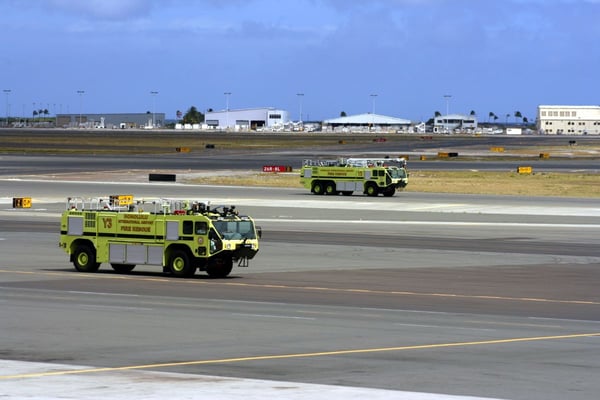 Airport Emergency Communication Systems: A Guide
How airport alerting systems replace crash phone protocols with single-action notification. FAA Part 139 compliance, ARFF response times and coordination.
Read it ›
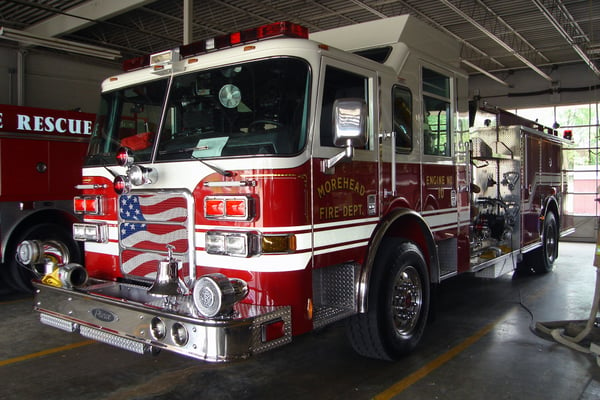 NFPA 1710 Response Time Standards & Compliance Guide
NFPA 1710 sets a 60-second EMS turnout and 80-second fire turnout for career departments. See how fire station alerting systems meet and document compliance.
Read it ›
 How Smart Station Design Protects Firefighter Wellness
How health-conscious fire station alerting lowers firefighter cardiac risk and improves sleep with ramped tones, zoned lighting, and dorm remotes.
Read it ›
Scope the right system for your stations.
Talk with the Westnet solutions team about a system built for your station count, your CAD and your radio.
Request a Quote →